
About the Competition
First Round
Up to fifty contestants (divided into three age groups) will be selected to record in Steinway & Sons locations worldwide in February-March, 2026. First Round performances will be broadcast by Piano Cleveland.
Semi-Final Round
Thirteen young artists will be invited to Cleveland for the Semi-Final Round: three contestants from the Rising Star Division (ages 10-12) and five pianists from each of the Junior (ages 13-15) and Senior (ages 16-18) Divisions. All Semi-Finalists will have the unique opportunity to perform solo recitals and collaborate with professional chamber musicians.
Final Round
Six finalists — three from the Junior Division and three from the Senior Division — will participate in a one-of-a-kind Masterclass with Jean-Yves Thibaudet, as well as perform concerto movements with The Canton Symphony Orchestra.
The Semi-Final and Final Rounds will take place from July 24 – August 1, 2026 in Cleveland, Ohio.
Jury
We are thrilled to welcome three separate juries to adjudicate the different stages of the Cleveland International Piano Competition for Young Artists.
CIPC For Young Artists Jury
All CIPC for Young Artists Jury Members will also serve as faculty for the Institute.
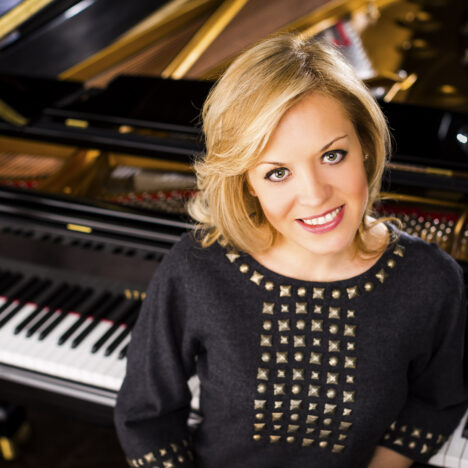
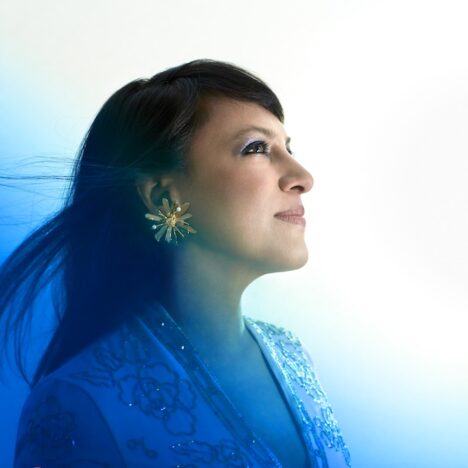
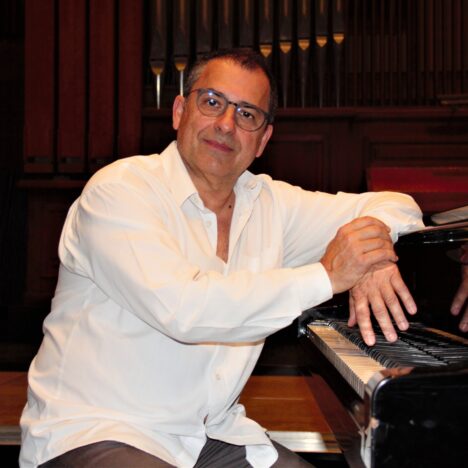
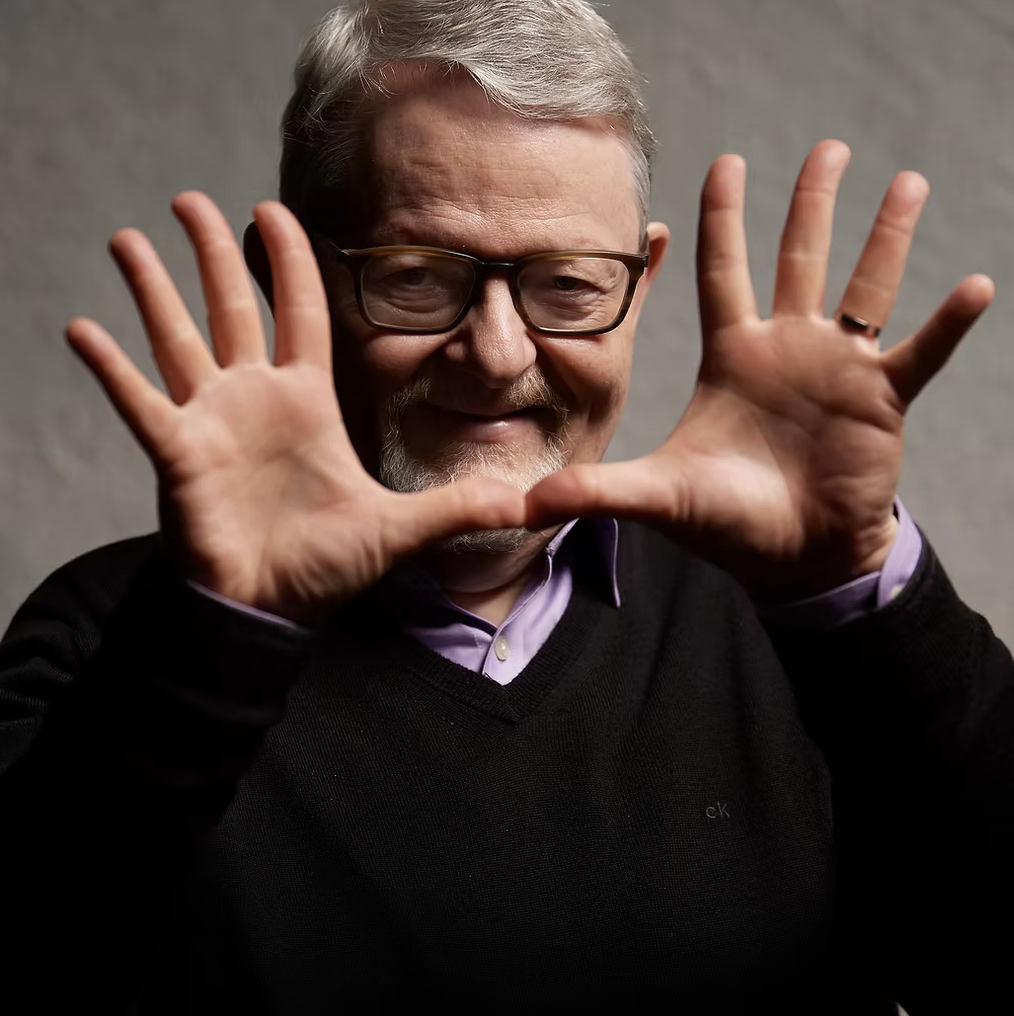
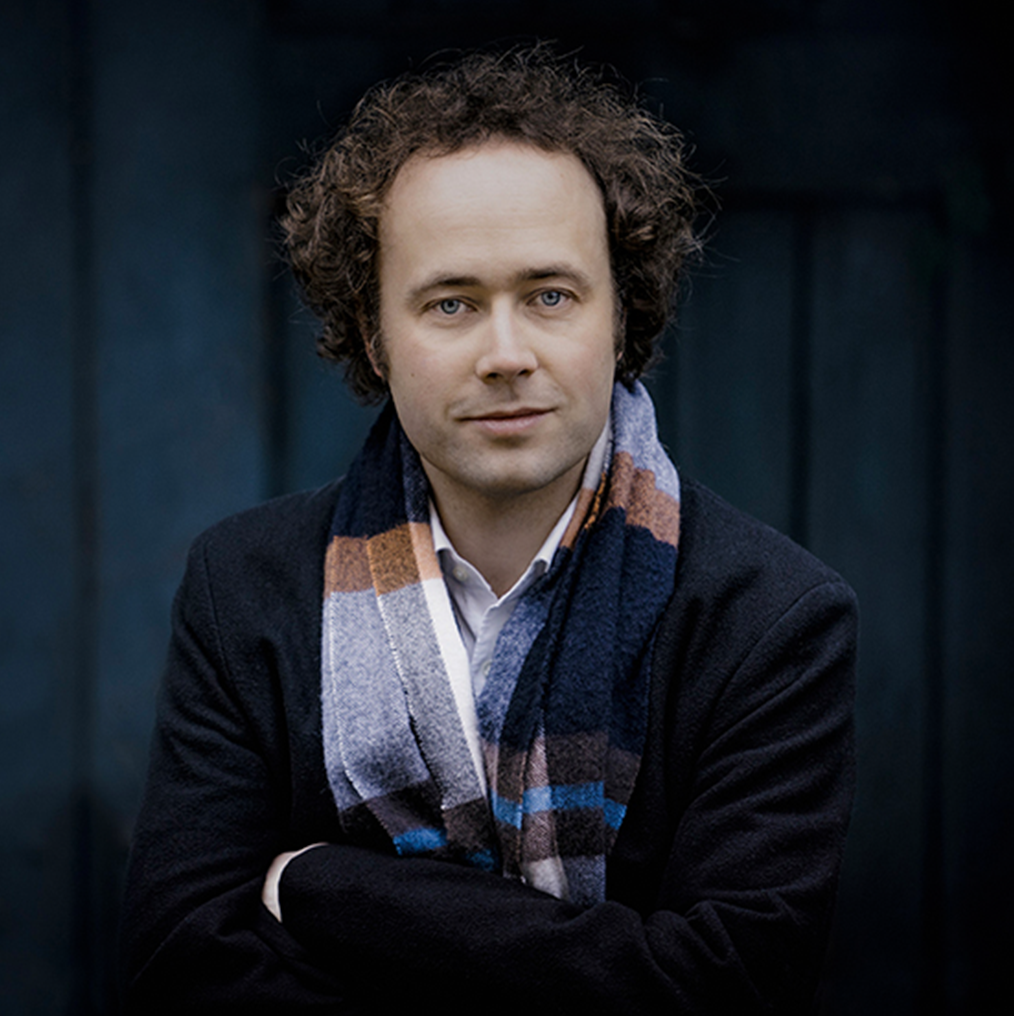
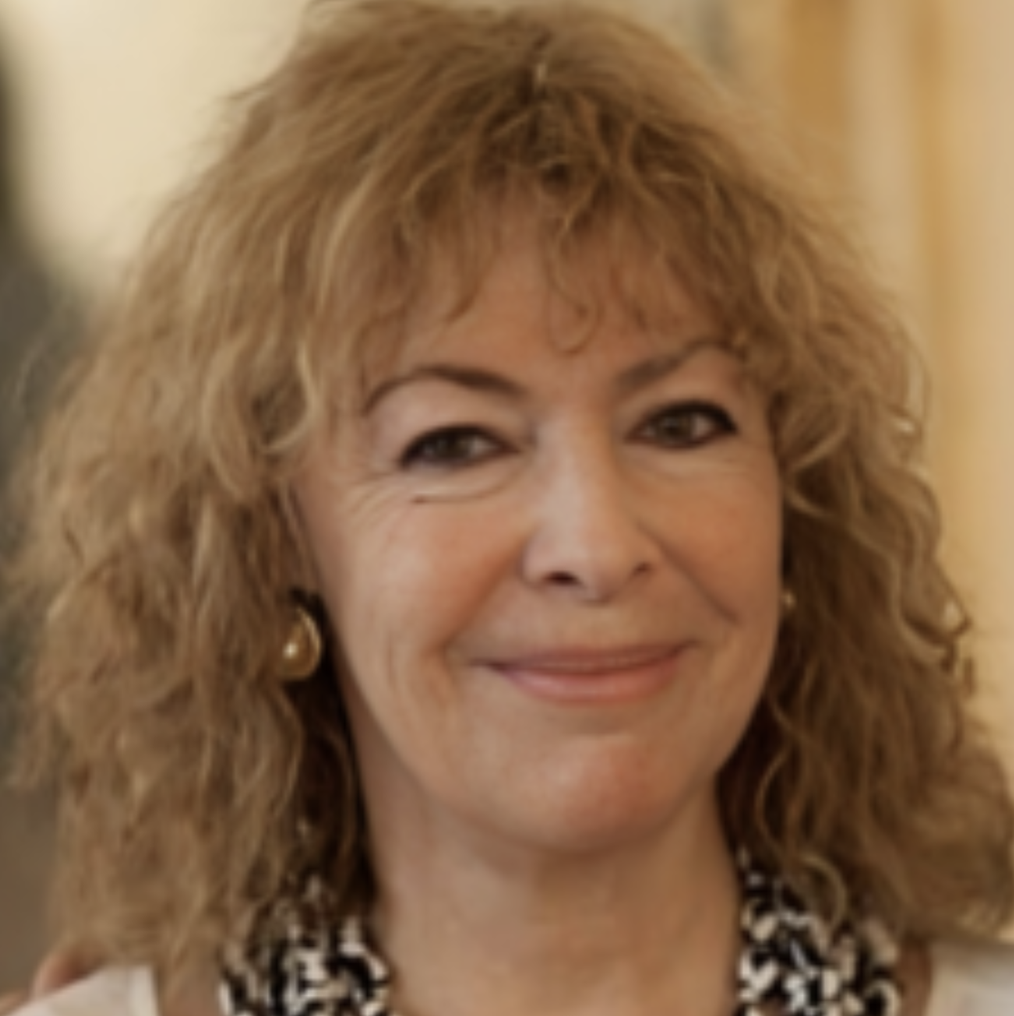
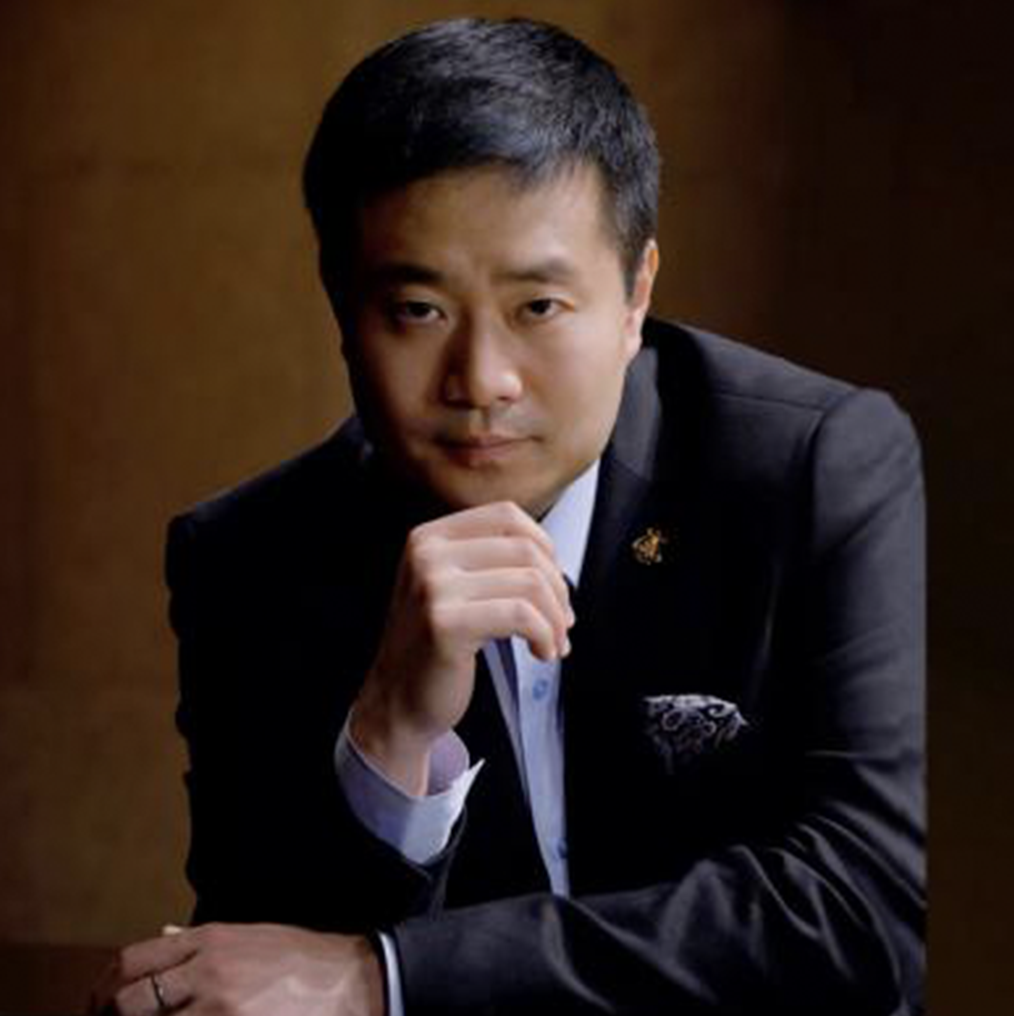
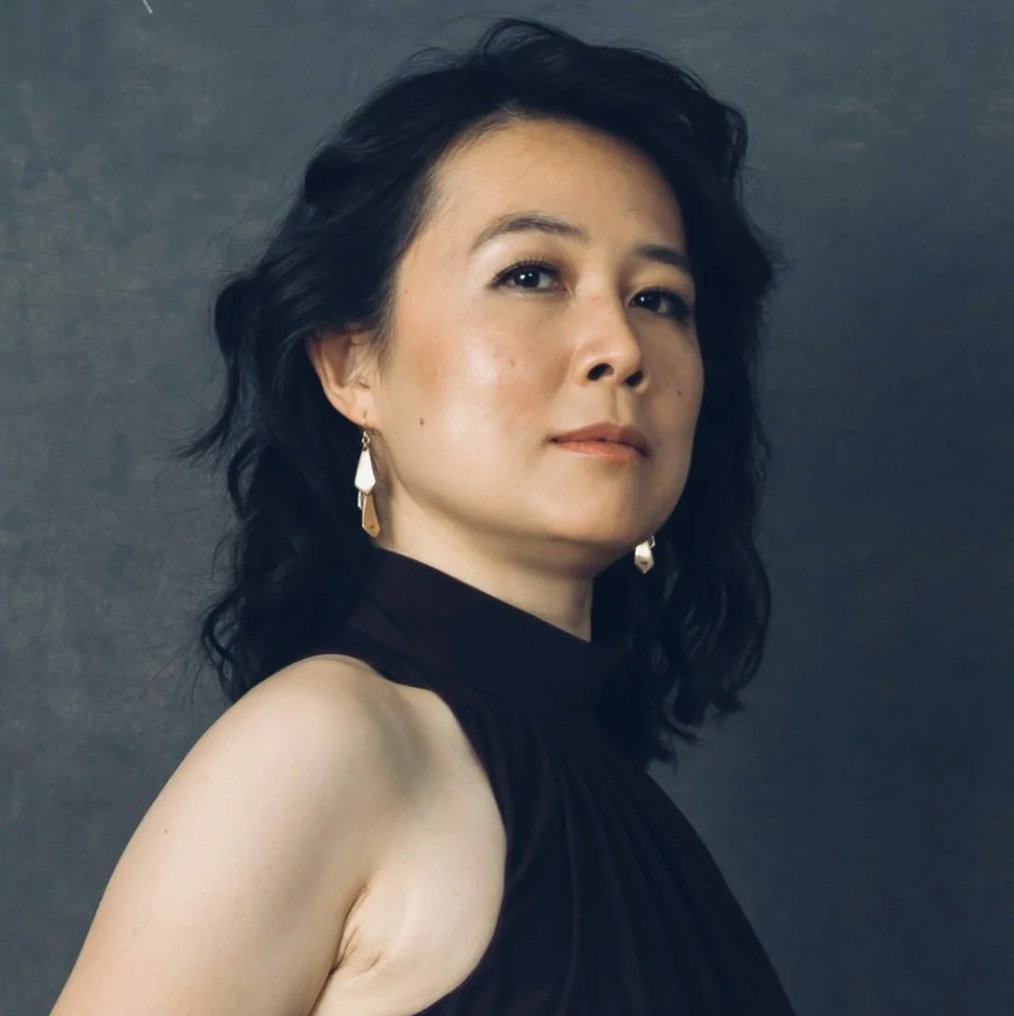
First Round Jury
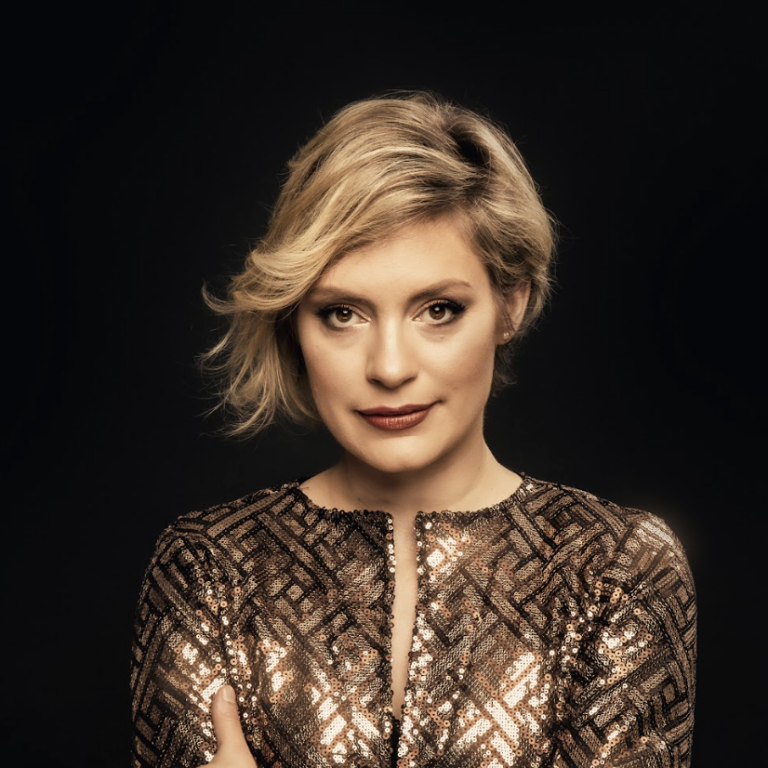
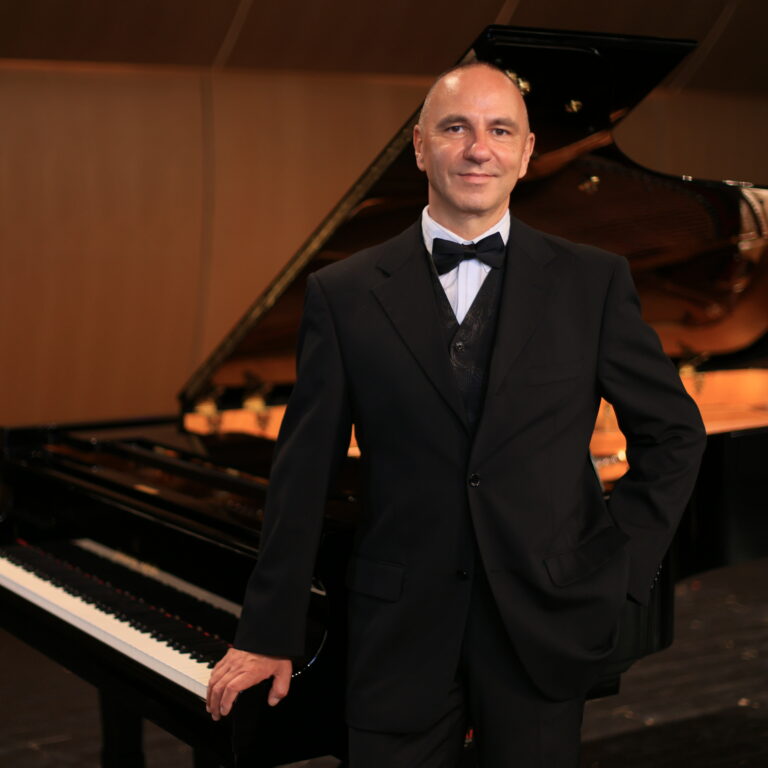
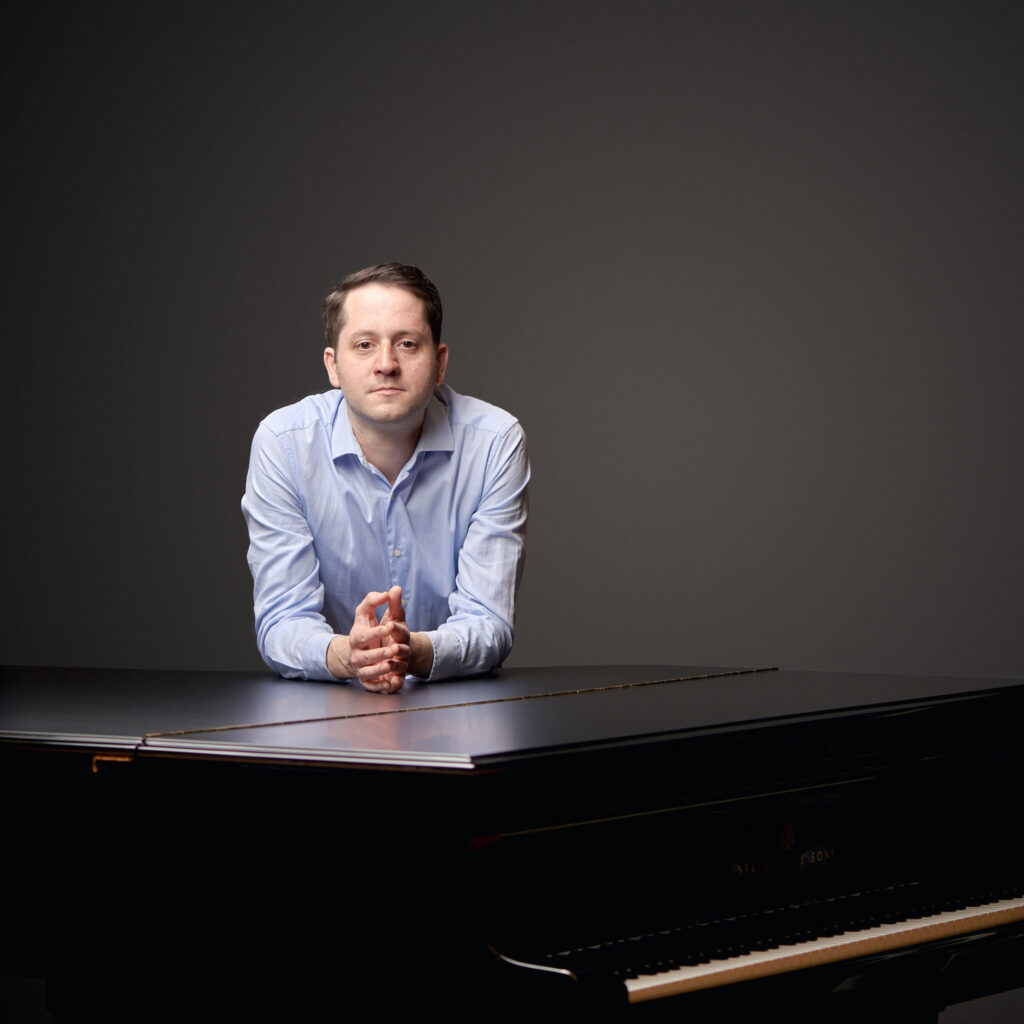
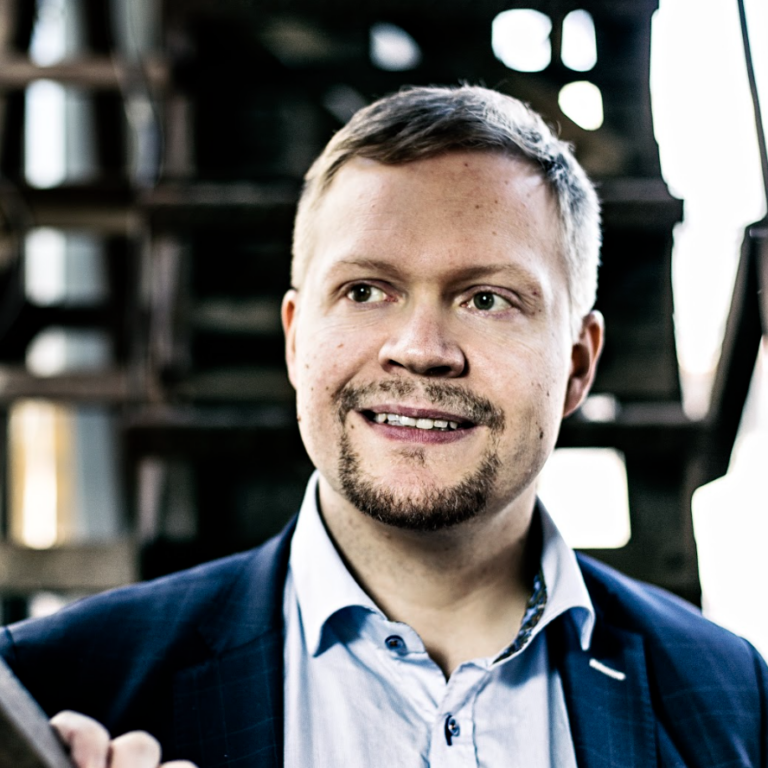
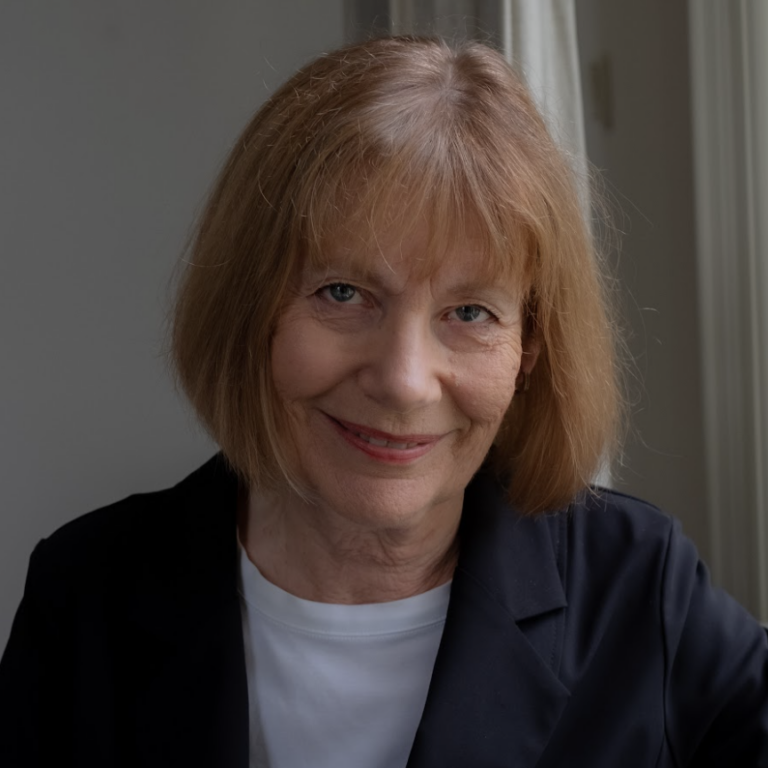
Preliminary Jury
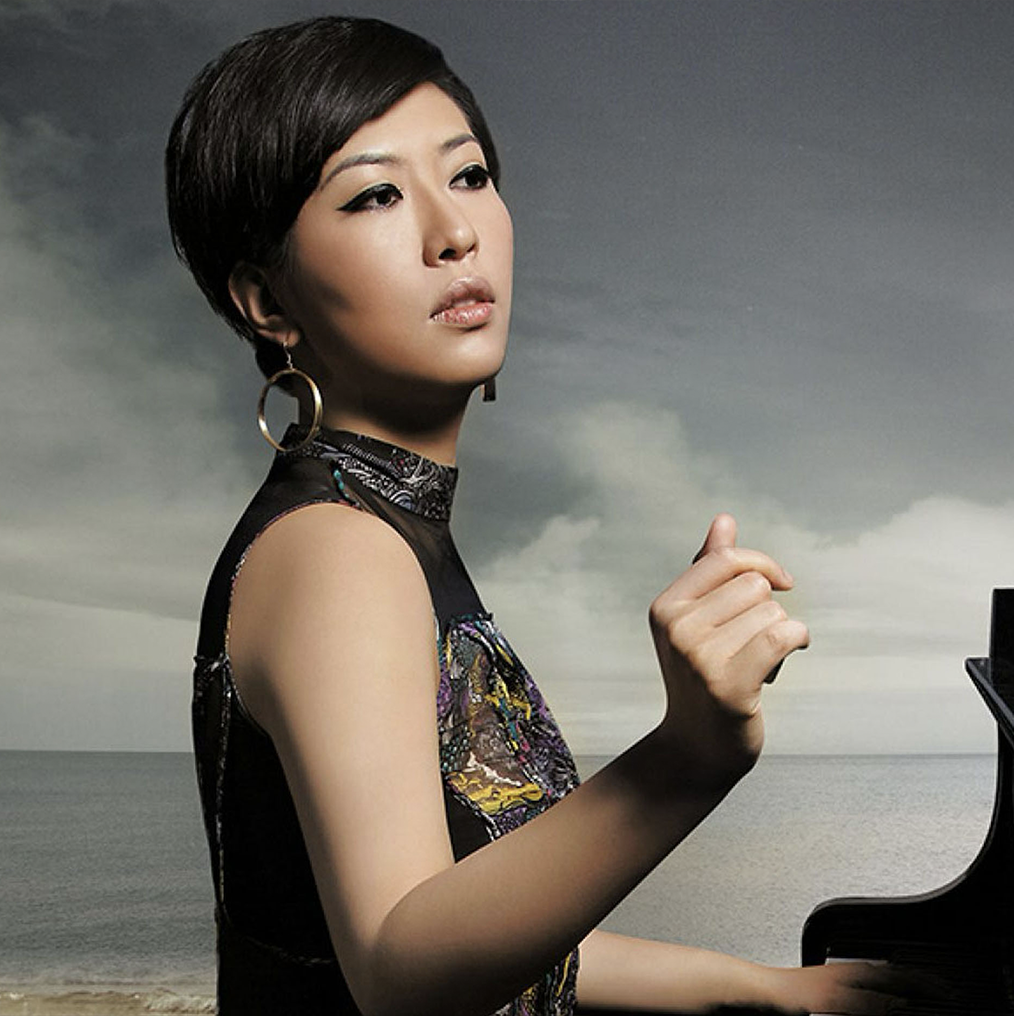
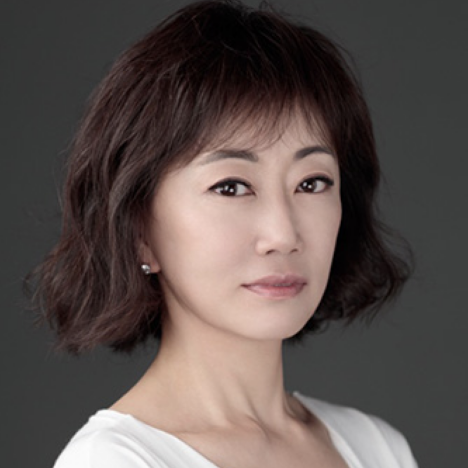
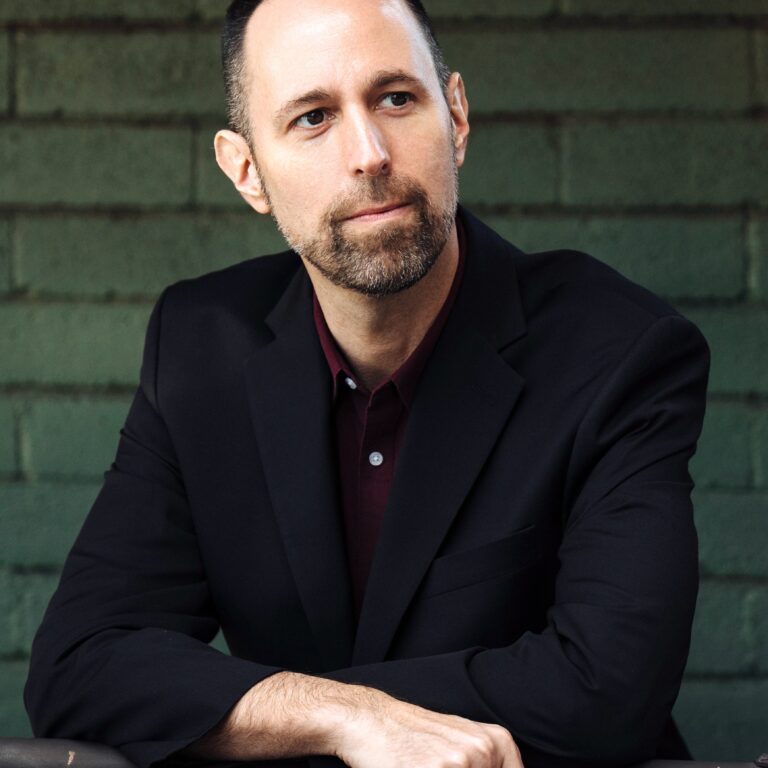
Contestants
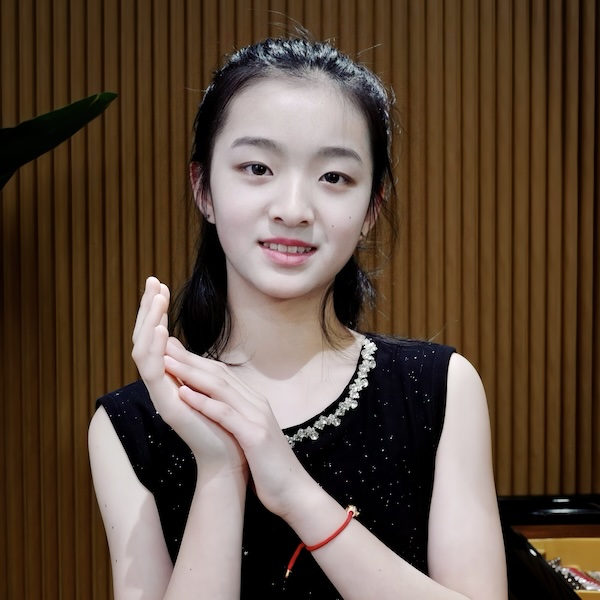
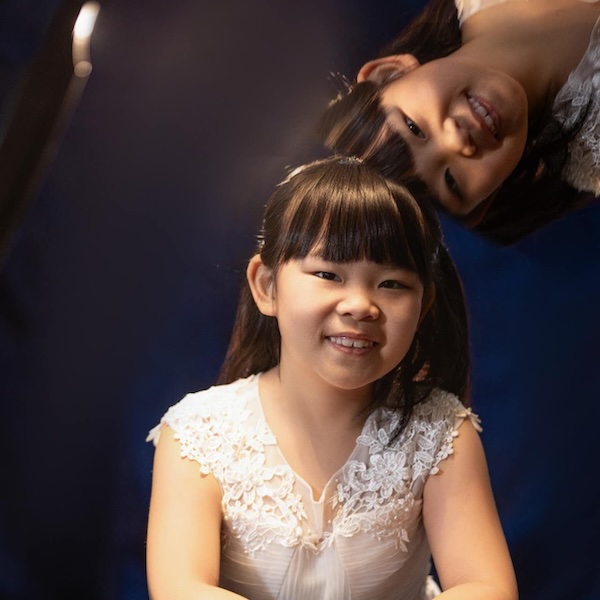
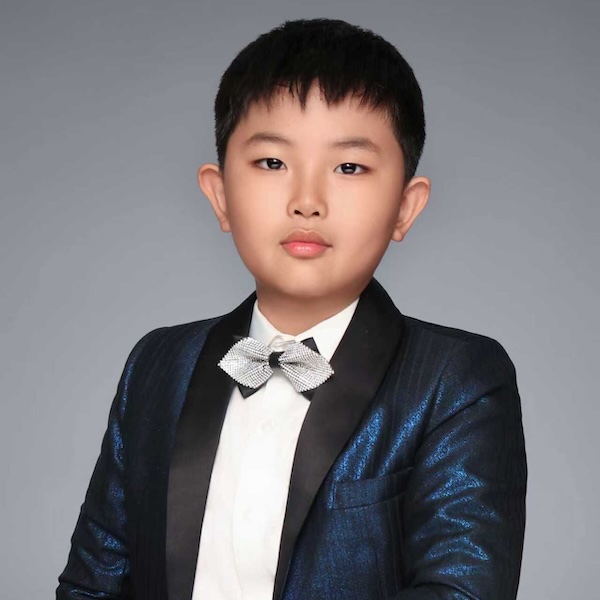
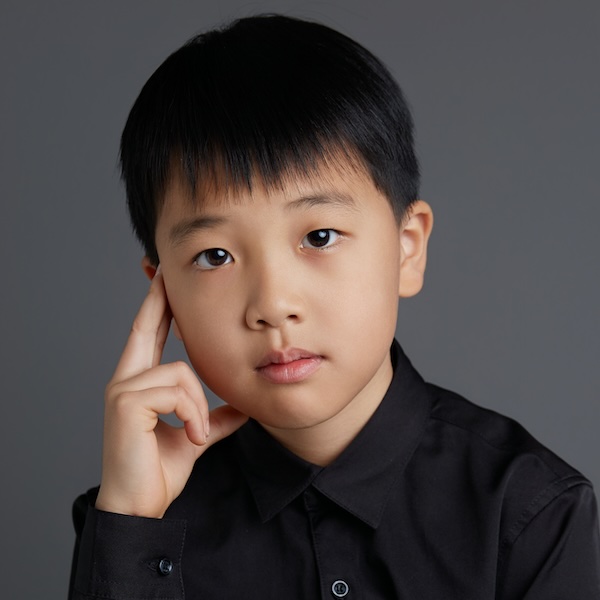
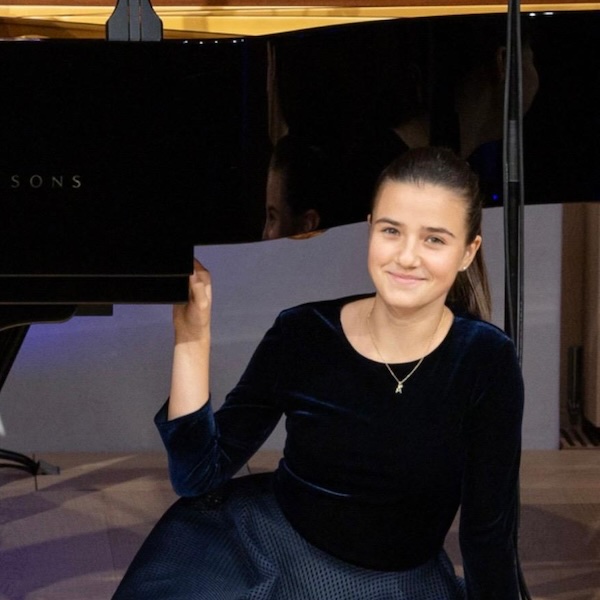
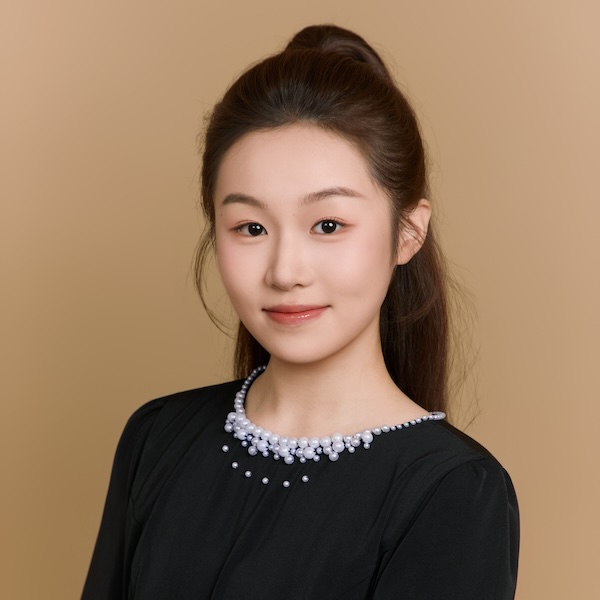
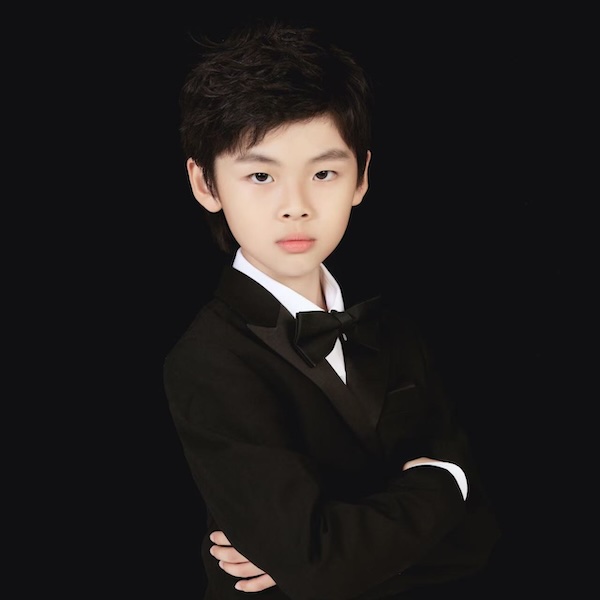
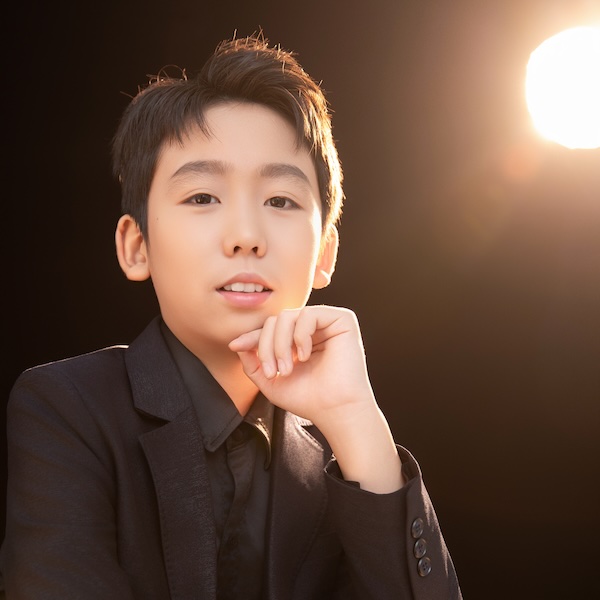
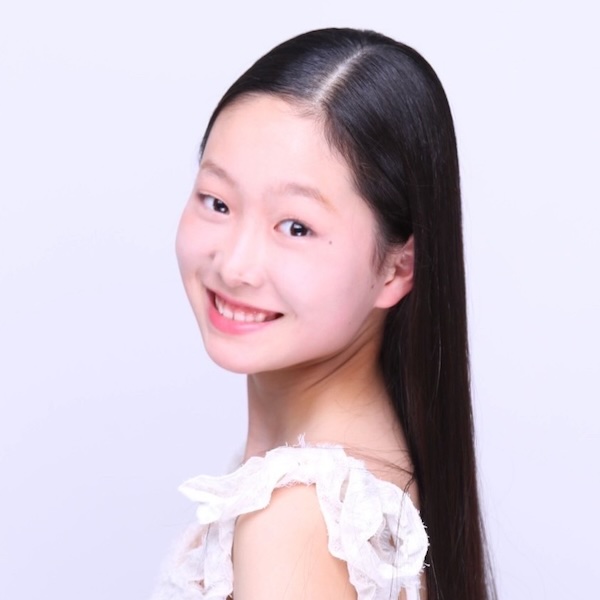
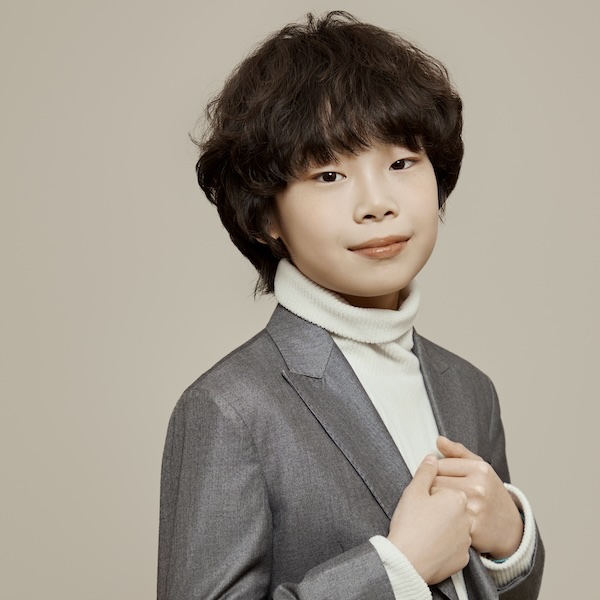
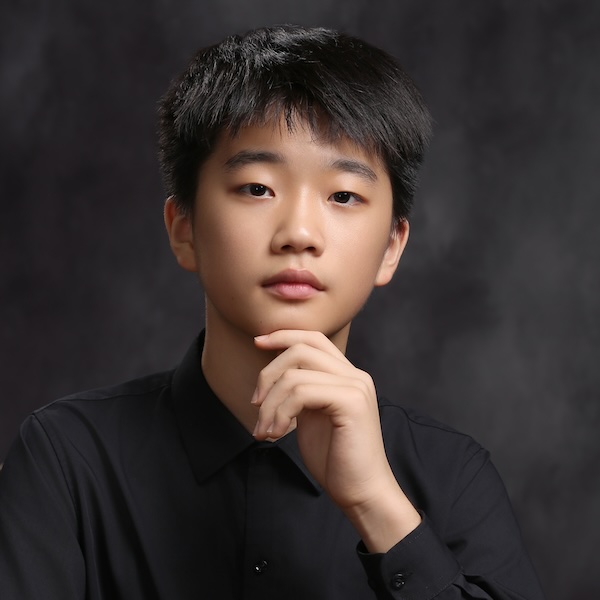
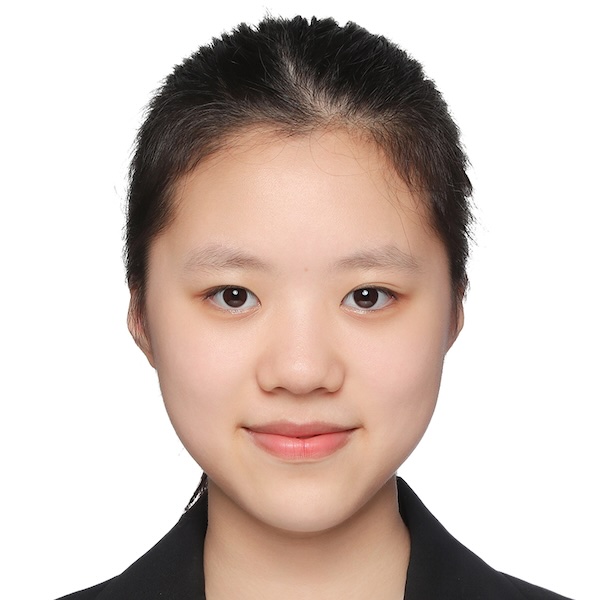
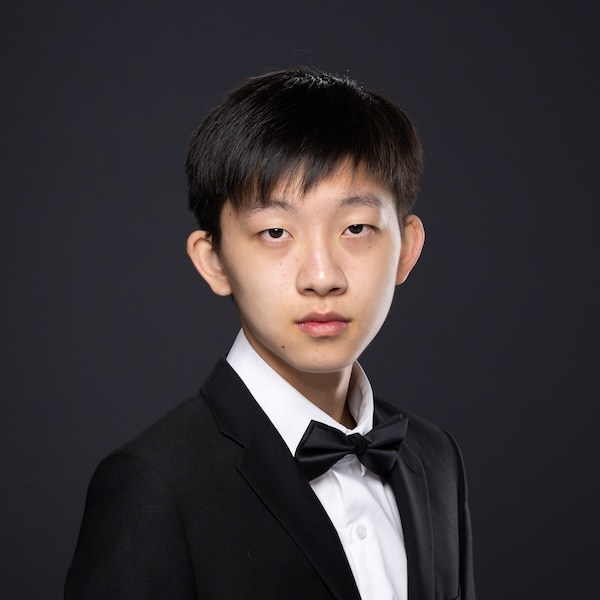
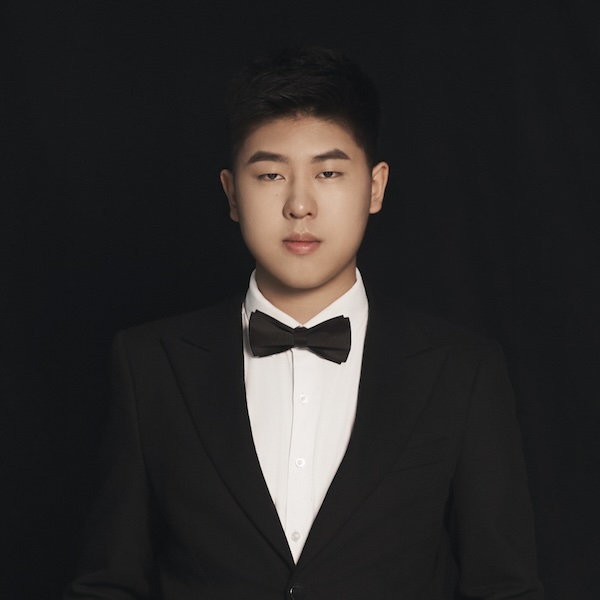
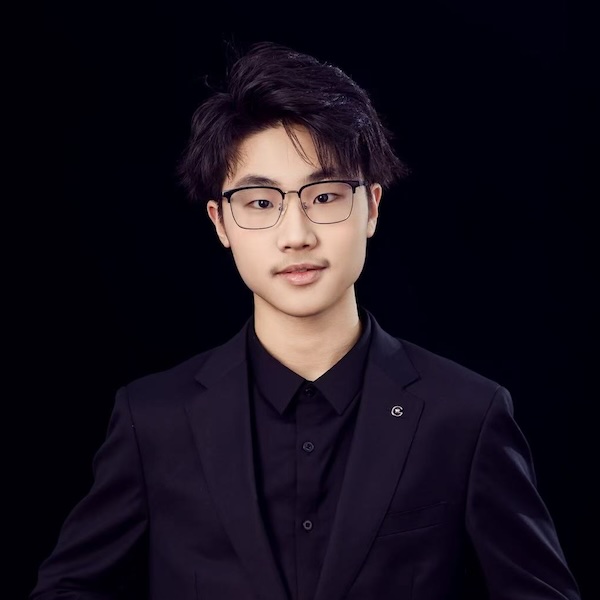
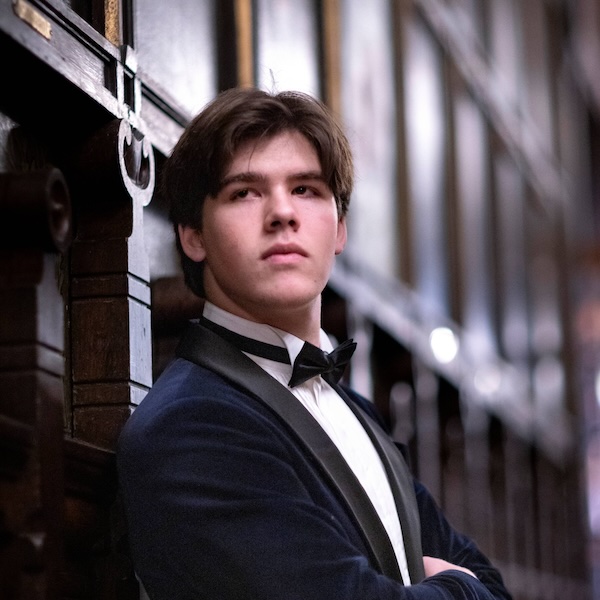
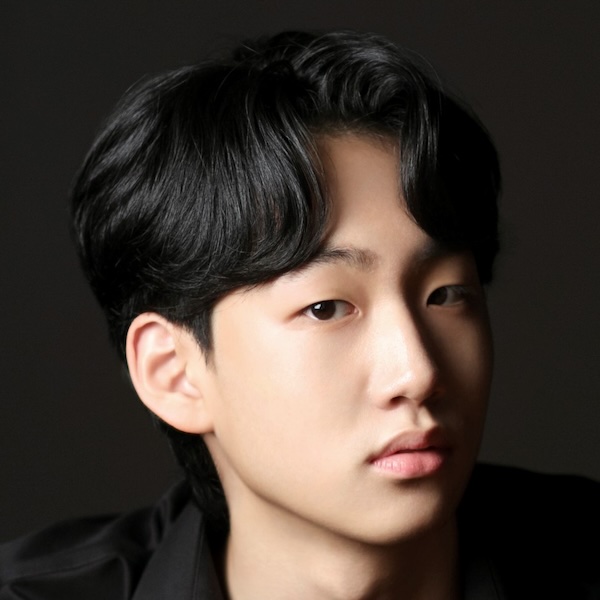
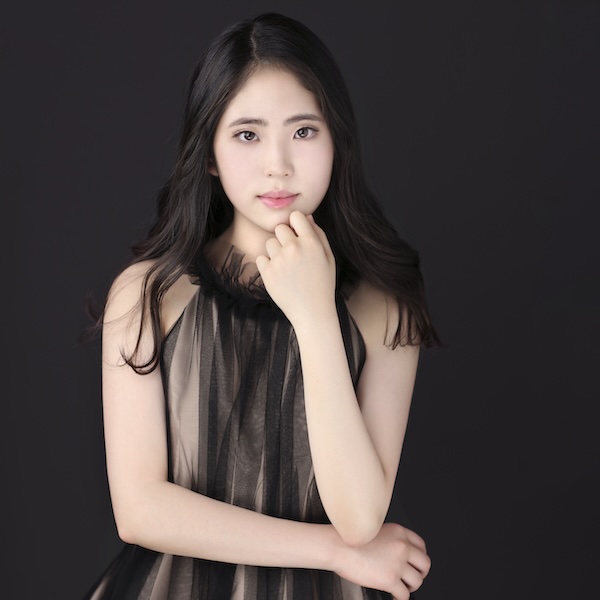
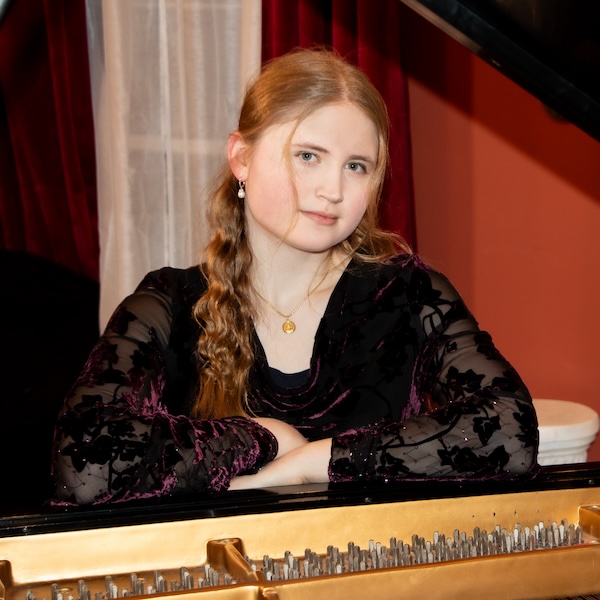
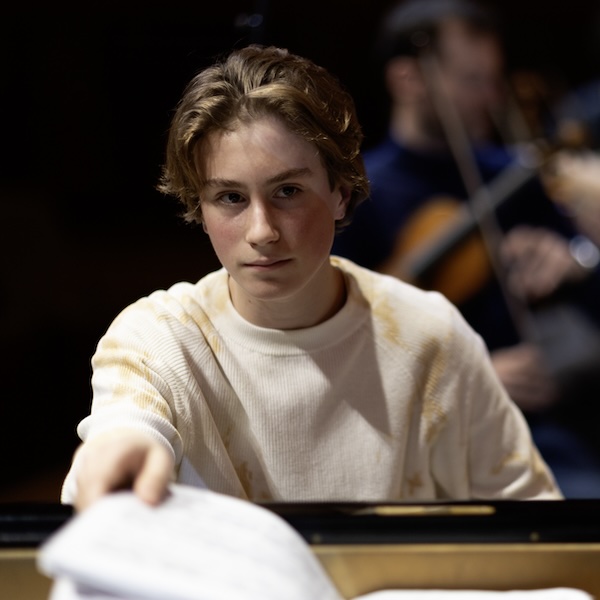
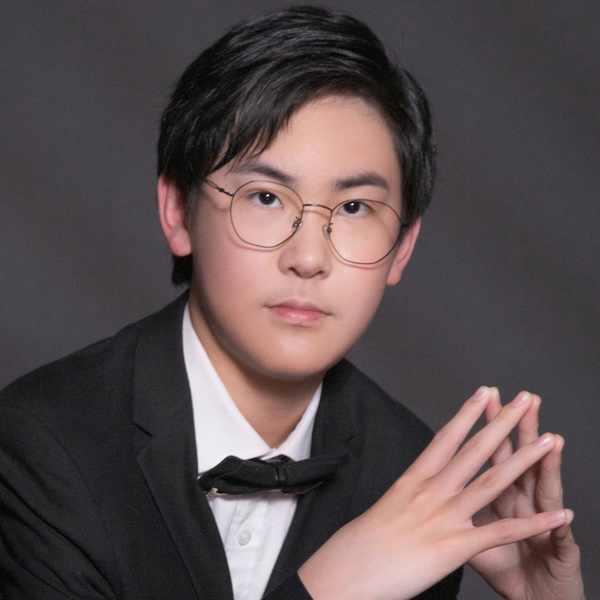
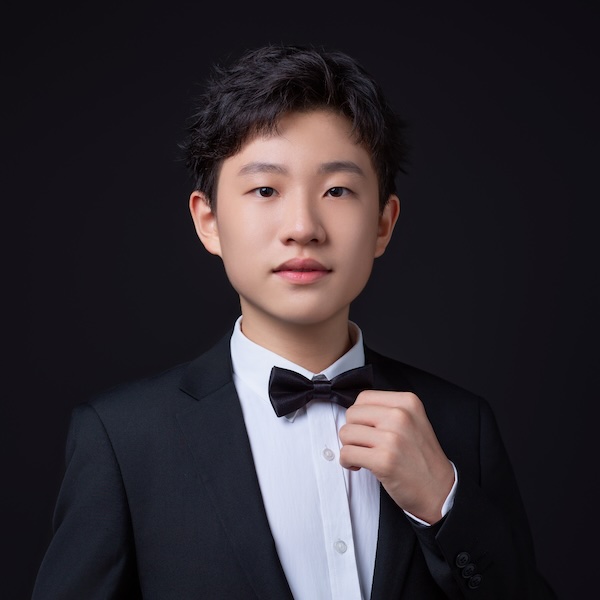
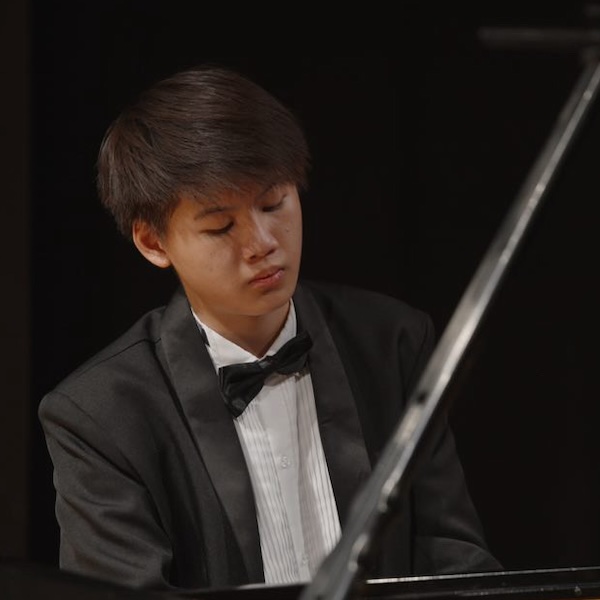
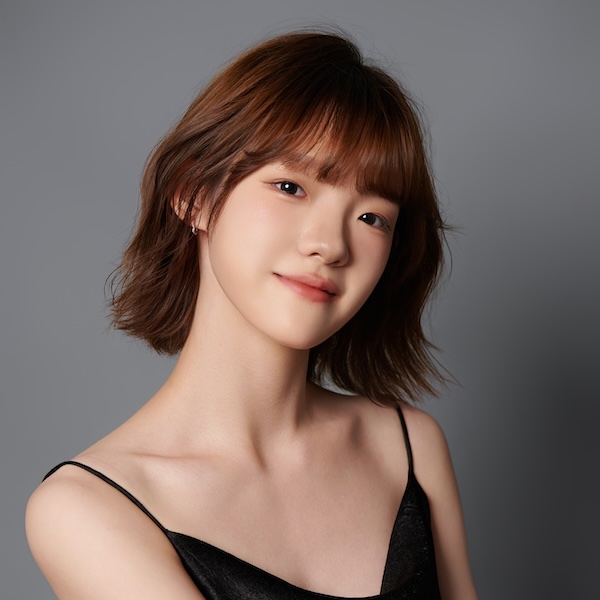
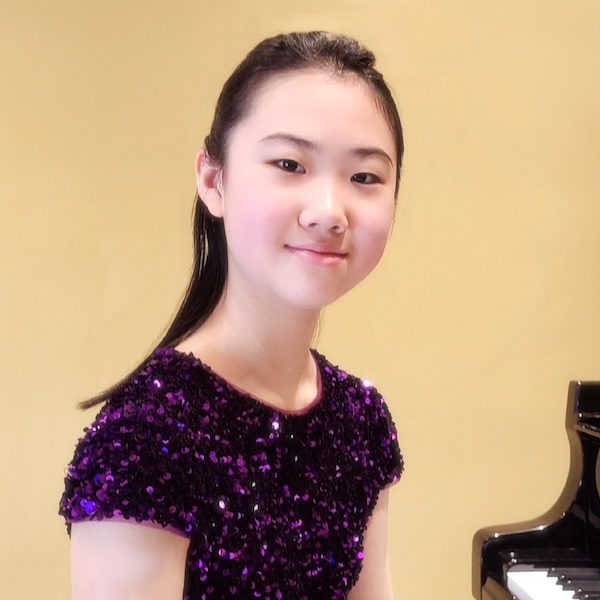
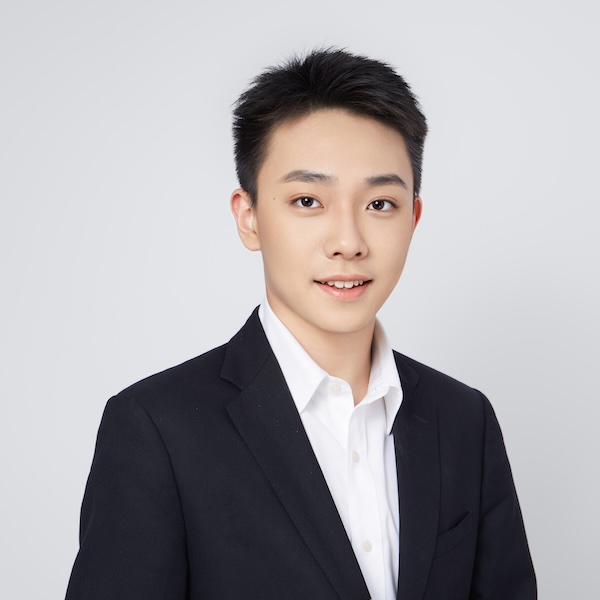
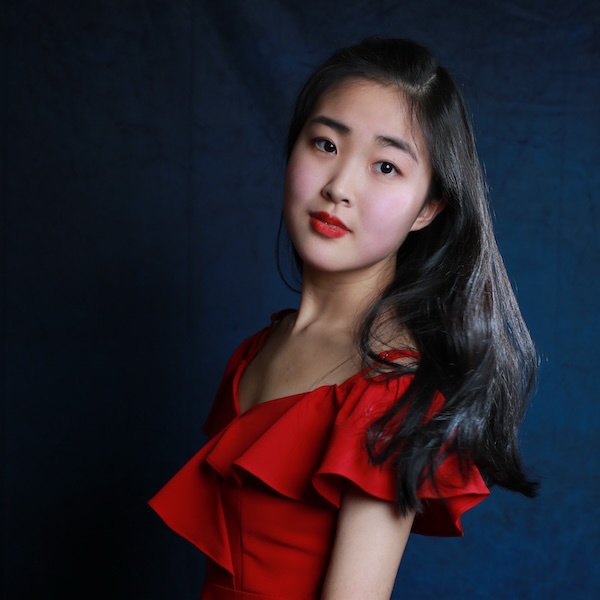
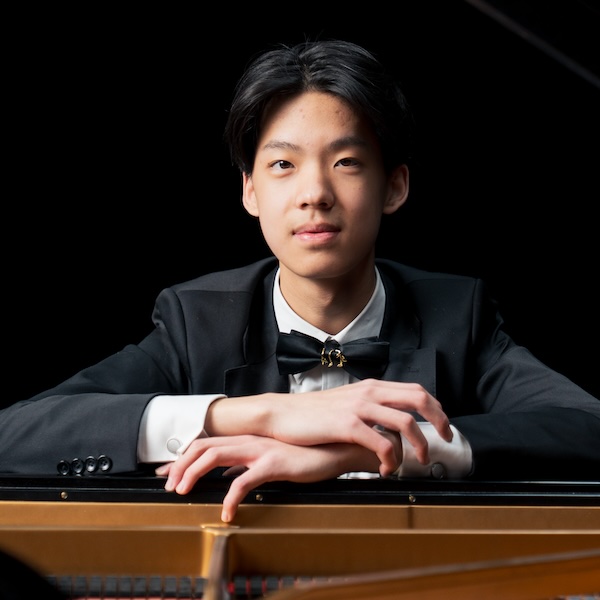
We are thrilled to welcome these 50 incredible pianists to compete in our Cleveland International Piano Competition for Young Artists!
Rising Star Division
Junior Division
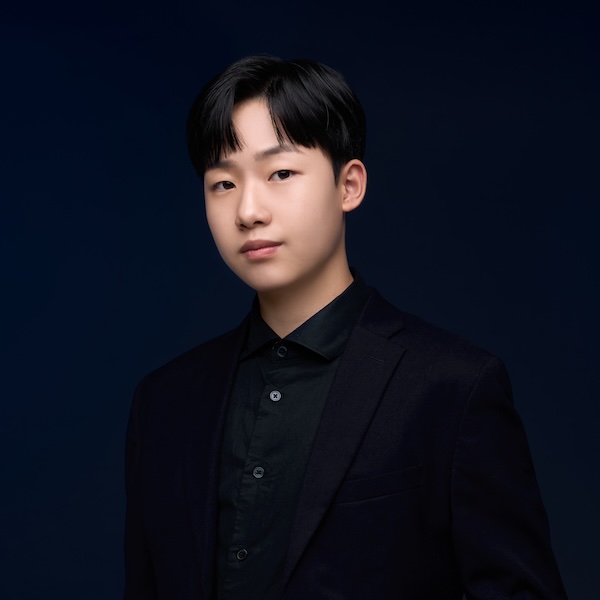
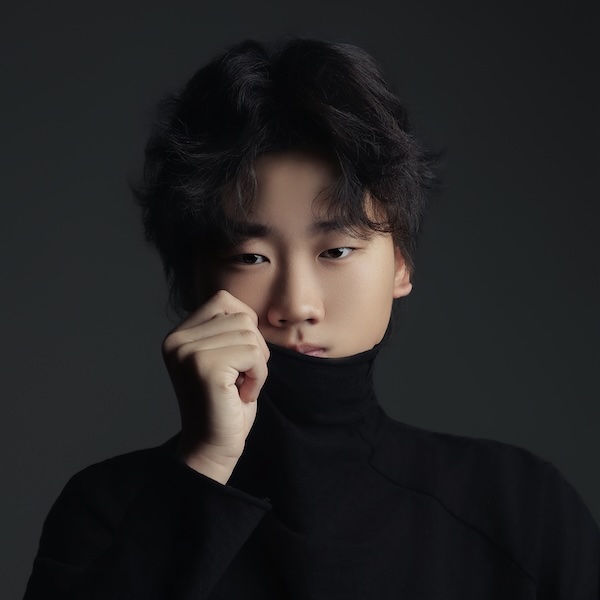
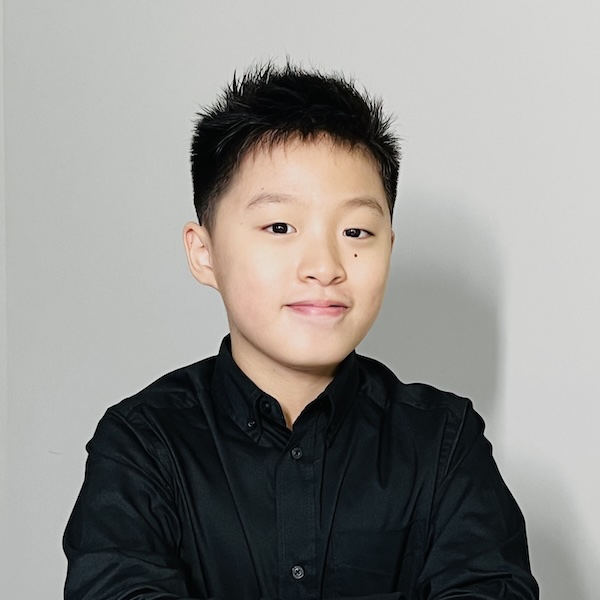
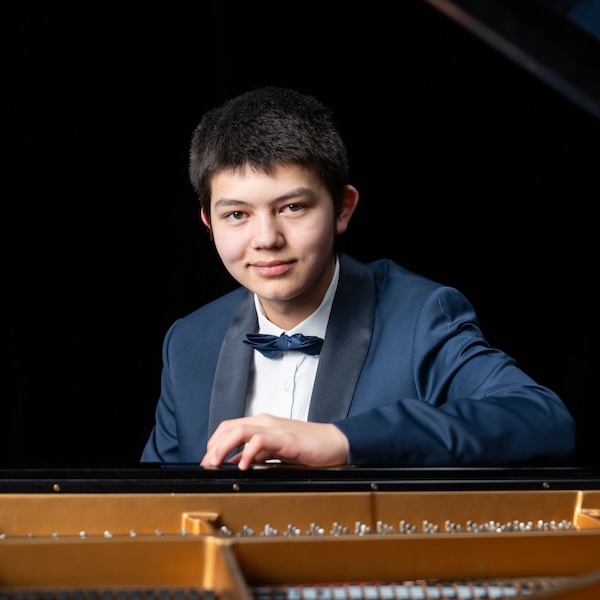
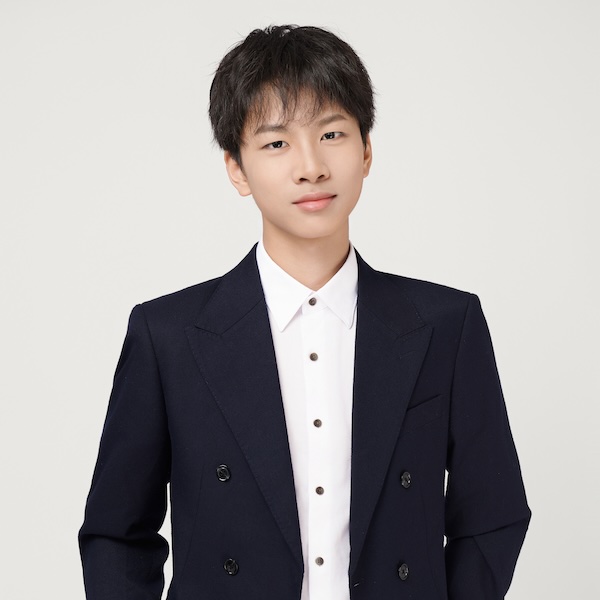
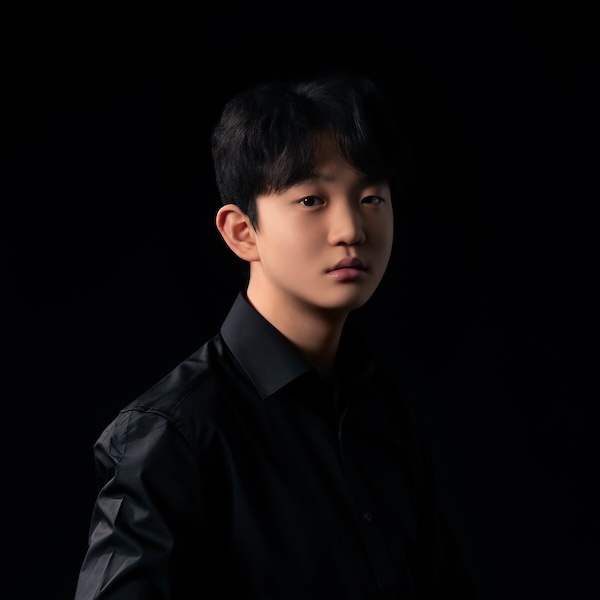
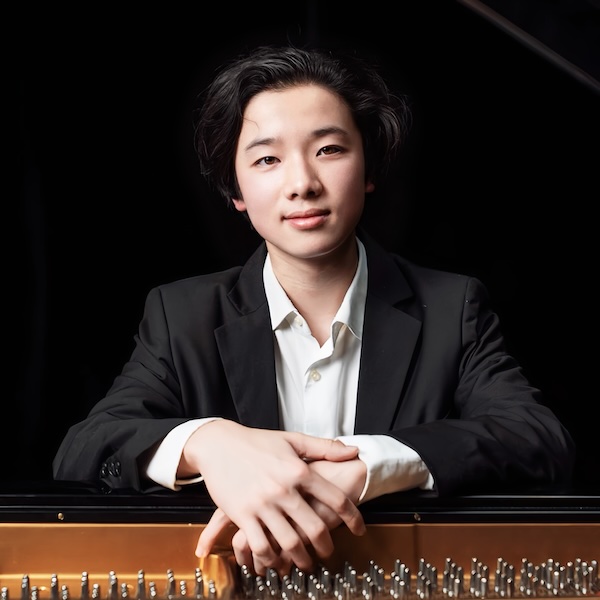
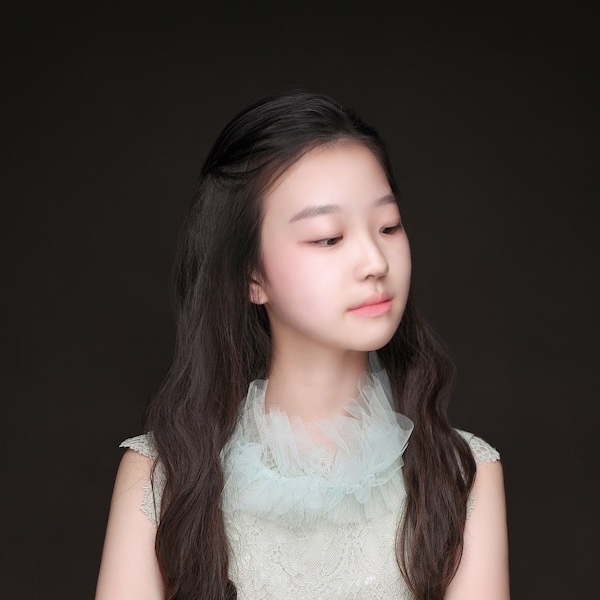
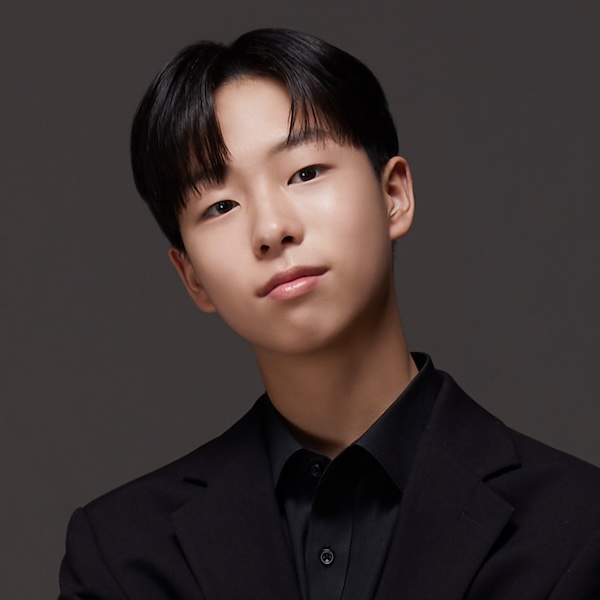
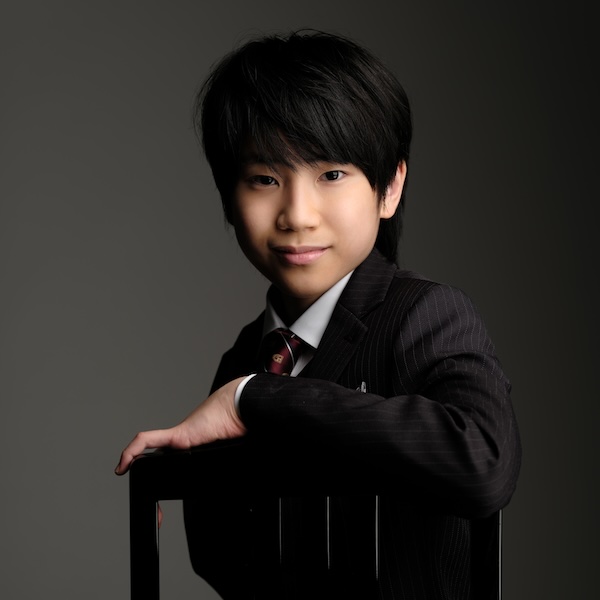
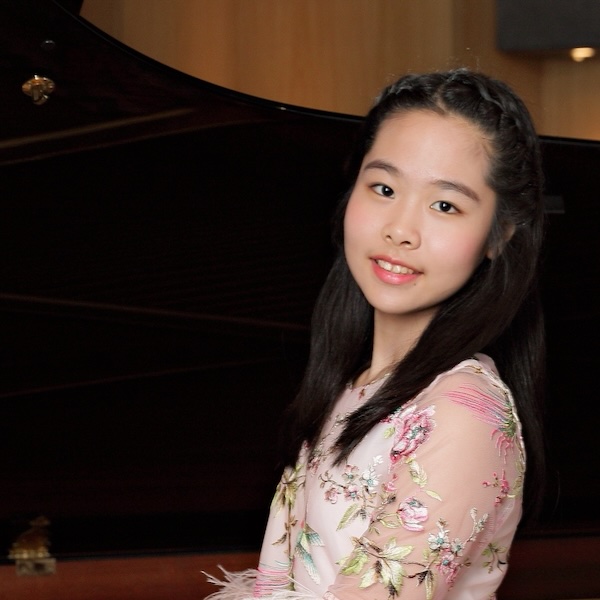
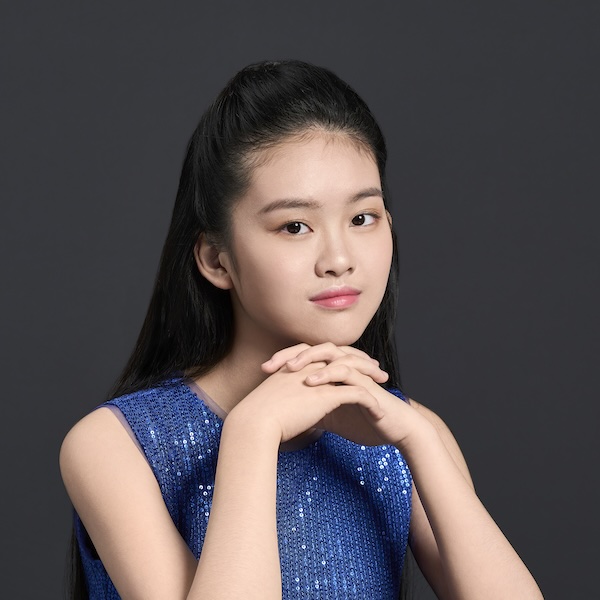
Senior Division
Guest Artists
We are honored to be partnering with musicians of the highest caliber to work with our CIPC for Young Artists contestants.
Masterclass Artist
Jean-Yves Thibaudet
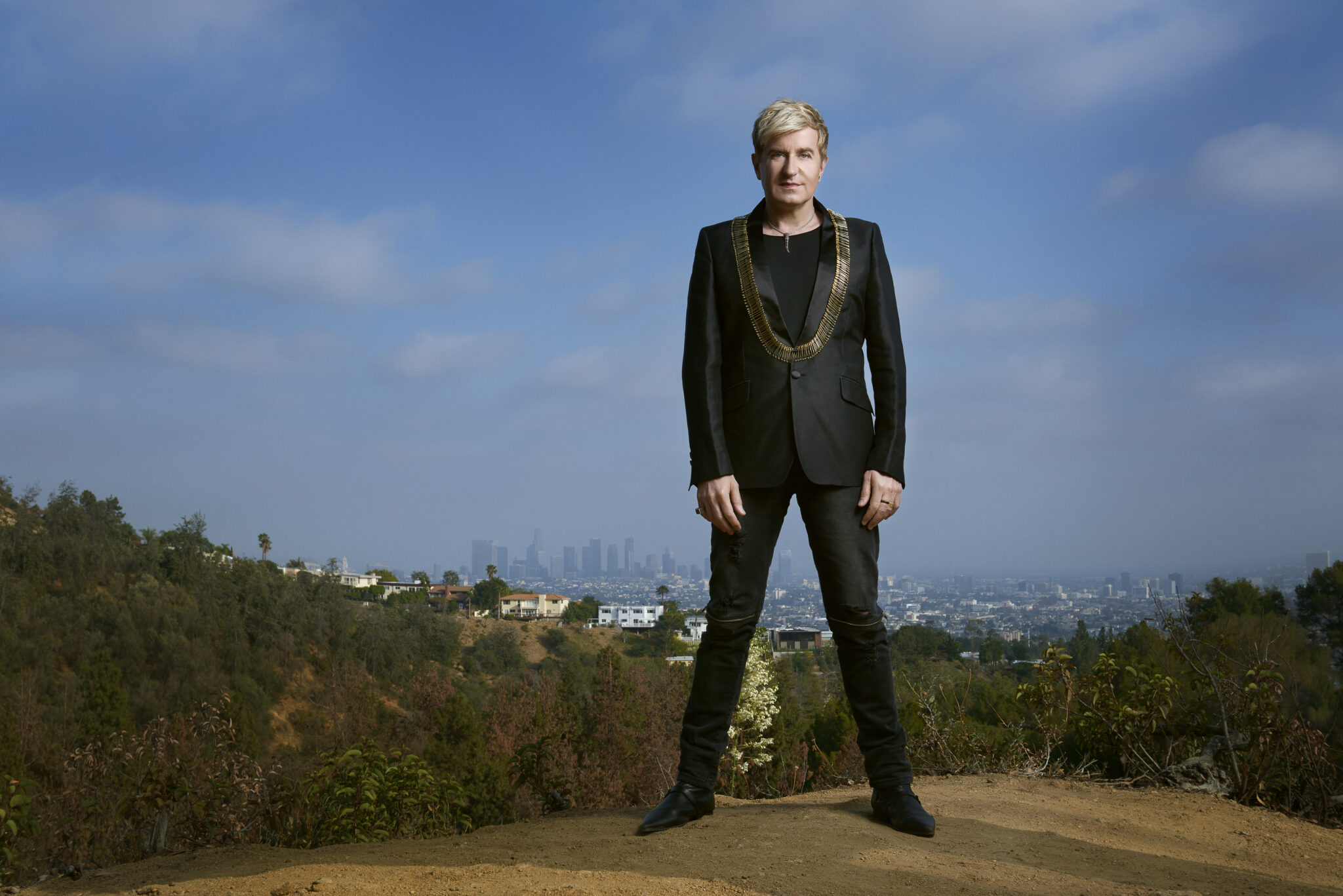
Through elegant musicality and an insightful approach to both contemporary and established repertoire, Jean-Yves Thibaudet has earned a reputation as one of the world’s finest pianists. He is especially known for his diverse interests beyond the classical world; in addition to his many forays into jazz and opera—including works which he transcribed himself for the piano—Thibaudet has forged profound friendships around the globe, leading to fruitful collaborations in film, fashion, and visual art. He is a devoted educator and the first-ever Artist-in-Residence at the Colburn School, which awards several scholarships in his name.
Thibaudet opens the 2024/25 season with Gershwin’s Piano Concerto in F at the Colorado Symphony; he later brings the piece to the Dallas Symphony Orchestra, Orchestre national du Capitole de Toulouse, and Los Angeles Philharmonic. He performs another signature piece, Saint-Saëns’s Piano Concerto No.5, with the Taiwan Philharmonic, NDR Elbphilharmonie Orchestra, Pacific, Kansas City, and San Diego Symphonies, Macao Orchestra, and Orchestre Philharmonique de Radio France. A major contemporary exponent of Khachaturian’s Piano Concerto, Thibaudet performs the piece with the National Symphony Orchestra, Royal Concertgebouw Orchestra, Royal Stockholm Philharmonic, and Tonhalle orchestras.
In Seoul, with the KBS Symphony Orchestra, he returns to Scriabin’s Prometheus: The Poem of Fire, which he performed last season in a synesthetic presentation with olfactory cues created by Mathilde Laurent of Cartier. He also appears as soloist on Liszt’s Piano Concerto No.2, with the Boston Symphony Orchestra and Münchner Philharmoniker; Leonard Bernstein’s Symphony No.2, Age of Anxiety, with Shanghai Symphony Orchestra; and Ravel’s Piano Concerto in G with the New Jersey Symphony and Palm Beach Symphony orchestras. Other season highlights include world premiere performances of two new works: Benjamin Attahir’s double-concerto Hanoï Songs, with the Seattle Symphony, and Manu Martin’s Cosmic Rhapsody, with the Royal Philharmonic Orchestra; and the return of his program with Michael Feinstein, Two Pianos: Who Could Ask for Anything More? in Rome and San Francisco.
In addition to his orchestral dates, Thibaudet takes part in the Itzhak Perlman and Friends tour across California and a tour of Asia with longtime collaborator Gautier Capuçon. While visiting the Boston Symphony Orchestra, he will play chamber music with members of the orchestra. He also continues his multi-season focus on Debussy’s Préludes, performing both books in their entirety at recitals across the United States; last season saw a reissue of his seminal 1996 recording of the Préludes on limited-edition vinyl with design by Vivienne Westwood.
A prolific recording artist, Thibaudet has appeared on more than 70 albums and six film scores; his extensive catalogue has received two Grammy nominations, two ECHO Awards, the Preis der deutschen Schallplattenkritik, the Diapason d’Or, the CHOC du Monde de la Musique, the Edison Prize, and Gramophone awards. Recent recordings include Gershwin Rhapsody, a collection of Gershwin pieces recorded with Michael Feinstein, including four newly-discovered ones; Night After Night, a celebration of James Newton Howard’s scores for the films of M. Night Shyamalan; and Carte Blanche, a collection of deeply personal solo piano pieces never before recorded by the pianist. Other highlights include a 2017 recording of Bernstein’s Age of Anxiety with the Baltimore Symphony Orchestra and Marin Alsop; recordings of the complete solo piano music of Debussy and Satie; Grammy-nominated recordings of Ravel’s complete solo piano works and Saint-Saëns’s Piano Concerti Nos.2&5; the jazz albums Reflections on Duke and Conversations With Bill Evans; and Aria–Opera Without Words, which features arias transcribed for solo piano by Thibaudet himself.
Thibaudet has also had an impact on the worlds of fashion, film, and philanthropy. He was soloist on Aaron Zigman’s score for Wakefield; this was the first time the composer had allowed a pianist other than himself to perform his film work. He was also soloist in Dario Marianelli’s award-winning scores for the films Atonement (which won an Oscar for Best Original Score) and Pride and Prejudice, as well as Alexandre Desplat’s soundtracks for Extremely Loud & Incredibly Close and Wes Anderson’s The French Dispatch. He had a cameo in Bruce Beresford’s film on Alma Mahler, Bride of the Wind, and his playing is showcased throughout. In 2004 he served as president of the prestigious charity auction at the Hospices de Beaune. His concert wardrobe is designed by Dame Vivienne Westwood.
Jean-Yves Thibaudet was born in Lyon, France, where he began his piano studies at age five and made his first public appearance at age seven. At twelve, he entered the Paris Conservatory to study with Aldo Ciccolini and Lucette Descaves, a friend and collaborator of Ravel. At age fifteen, he won the Premier Prix du Conservatoire and, three years later, the Young Concert Artists Auditions in New York City. Among his numerous commendations is the Victoire d’Honneur, a lifetime career achievement award and the highest honour given by France’s Victoires de la Musique. In 2010 the Hollywood Bowl honored Thibaudet for his musical achievements by inducting him into its Hall of Fame. Previously a Chevalier of the Ordre des Arts et des Lettres, Thibaudet was awarded the title Officier by the French Ministry of Culture in 2012. In 2020, he was named Special Representative for the promotion of French Creative and Cultural Industries in Romania. He is a co-artistic advisor with Gautier Capuçon of the Festival Musique & Vin au Clos Vougeot in Burgundy.
Chamber Music Collaborators
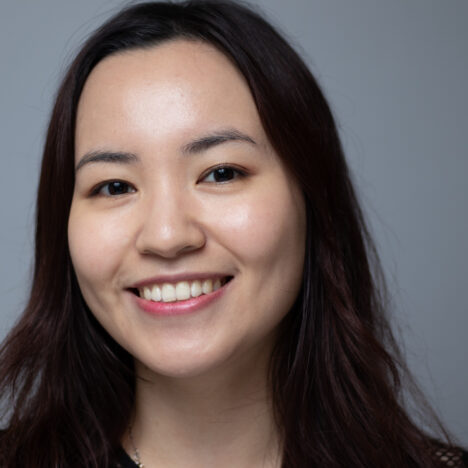
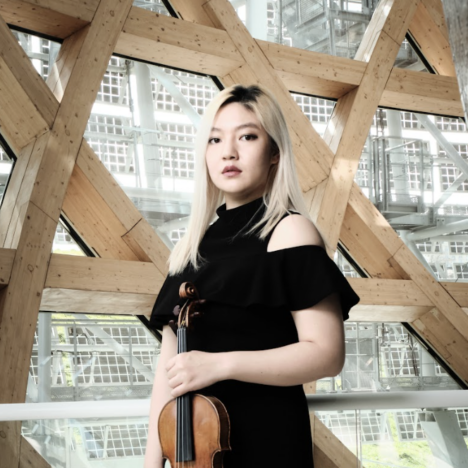
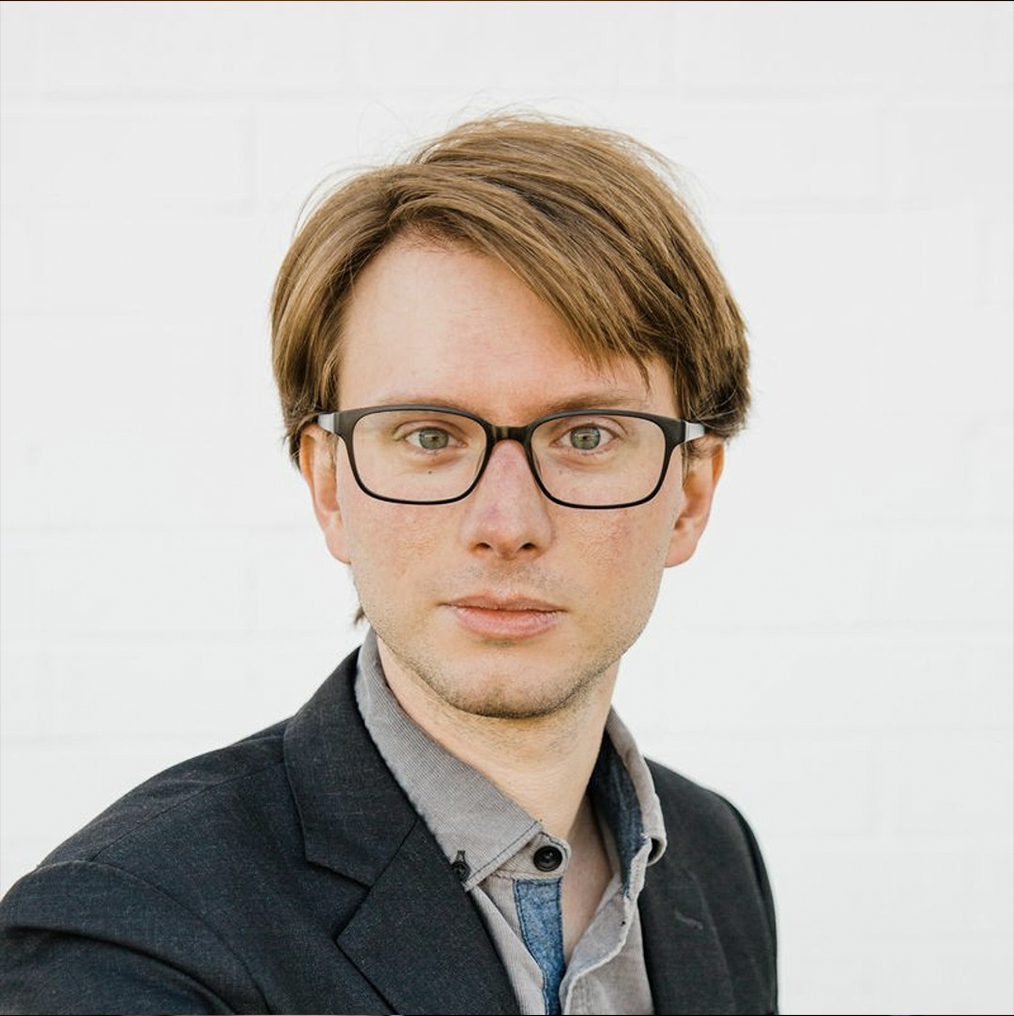
We are proud to partner with Encore Chamber Music Institute and work with their esteemed faculty as chamber music collaborators.

Prizes
Senior Division | Ages 16-18
First Prize
Second Prize
Third Prize
Junior Division | Ages 13-15
First Prize
Second Prize
Third Prize
Rising Star Division | Ages 10-12
First Prize
Second Prize
Third Prize
Special Prizes to be announced
Competition Repertoire
All applicants must submit audition programs that include at least two pieces of diverse styles, including:
- First movement of a classical sonata by Beethoven, Haydn, or Mozart.
- Second selection must be a piece that displays virtuosity.
If time allows, applicants may perform an additional piece of their choosing.
The length of the application videos are as follows:
- Rising Star Division: 12-15 minutes
- Junior Division: 12-18 minutes
- Senior Division: 15-20 minutes
Please Note: Contestants may choose select pieces from their pre-screening repertoire to perform during the remaining rounds. However, they may not repeat more than one piece from their pre-screening round per in-person program. For example, if they recorded piece X and piece Y, they can play piece X in the First Round and piece Y in the Semi-Final Solo Round, but they cannot play both piece X and piece Y in a single program.
Contestants will prepare a solo recital program according to the following guidelines:
Rising Star Division: 15-20 minutes
- Two contrasting pieces.
- One piece must be a single movement work or a movement from a classical work.
- Remaining time is candidate’s choice of repertoire, if time allows.
Junior Division: 25-30 minutes
- Movement from any classical sonata.
- Romantic work.
- Remaining time is candidate’s choice of repertoire, if time allows.
Senior Division: 30-35 minutes
- Full classical sonata by Beethoven, Haydn, or Mozart.
- Piece by Brahms, Chopin, Schubert, or R. Schumann.
- Remaining time is candidate’s choice of repertoire, if time allows.
Please Note: This round represents the Final Round for the Rising Star Division.
A solo recital program of free repertoire according to the following guidelines:
- Rising Star: 10-15 minutes
- Junior Division: 15-20 minutes
- Senior Division: 25-30 minutes
Rising Star contestants will perform a piano duo with a guest artist assigned by Piano Cleveland. All Rising Star contestants will perform the primo part of the Mozart Piano Sonata for Four Hands in C Major, K.521 with the same guest artist.
Junior and Senior Division contestants will perform a movement, or movements of a Piano Trio (up to 12 minutes) with guest artists chosen by Piano Cleveland. All contestants will perform with the same guest artists. Repertoire will be selected from the list below:
L.V. BEETHOVEN
Piano Trio in E-flat Major, Op. 1, No. 1 (1st or 4th movement)
Piano Trio in D Major, Op. 70, No. 1, “Ghost” (any movement)
Piano Trio in E-flat Major, Op. 70, No. 2 (any movement)
Piano Trio in B-flat Major, Op. 96 “Archduke” (any movement)
J. BRAHMS
Piano Trio No. 1 in B Major, Op. 8 (1st movement)
Piano Trio No. 2 in C Major, Op. 87 (1st movement)
F. MENDELSSOHN
Piano Trio No. 1 in D Minor, Op. 49 (1st, 2nd, or 4th movement
Piano Trio No. 2 in C Minor, Op. 66 (1st, 2nd, or 4th movement)
*All trios should be performed without repeats in the 1st movement.
Junior and Senior Division Finalists will perform one work of their choosing in a public masterclass led by distinguished guest artist Jean-Yves Thibaudet.
Works may be chosen from pieces performed in previous rounds of the Competition. Works should a single-movement work or a movement from a larger work lasting 3-5 minutes.
Finalists will perform their work in full, then participate in a 30 minute masterclass. Finalists will end the class with a second full performance of their work.
Junior and Senior Division Finalists will perform the first movement of a concerto with the Canton Symphony Orchestra. Repertoire will be chosen from the list below:
J.S. BACH
Concerto No. 1 in D Minor, BWV 1052
Concerto No. 5 in F Minor, BWV 1056
L.V. BEETHOVEN
Piano Concerto No. 1 in C Major, Op. 15
Piano Concerto No. 2 in B-flat Major, Op. 19
Piano Concerto No. 3 in C Minor, Op. 37
F. CHOPIN
Piano Concerto No. 1 in E Minor, Op. 11
Piano Concerto No. 2 in F Minor, Op. 21
E. GRIEG
Piano Concerto in A Minor, Op. 16
F. MENDELSSOHN
Piano Concerto No. 1 in G Minor, Op. 25
W.A. MOZART
Piano Concerto No. 9 in E-flat Major, K. 271
Piano Concerto No. 11 in F Major, K. 413
Piano Concerto No. 12 in A Major, K. 414
Piano Concerto No. 13 in C Major, K. 415
Piano Concerto No. 17 in G Major, K. 453
Piano Concerto No. 20 in D Minor, K. 466
Piano Concerto No. 21 in C Major, K. 467
Piano Concerto No. 23 in A Major, K. 488
Piano Concerto No. 24 in C Minor, K. 491
Piano Concerto No. 27 in B-flat Major, K. 595
R. SCHUMANN
Piano Concerto in A Minor, Op. 54
Recording Locations
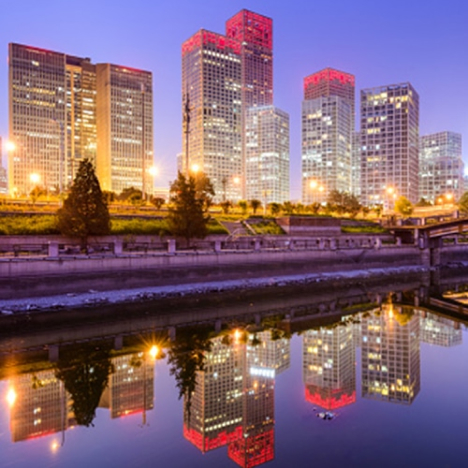
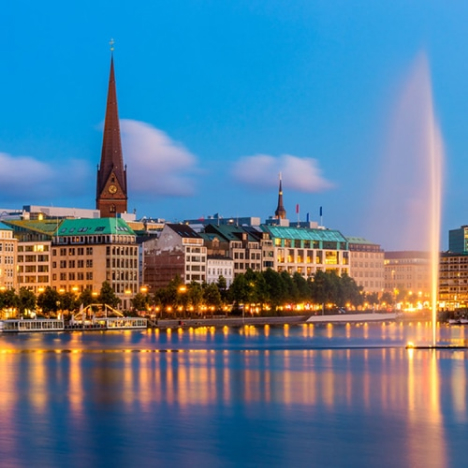
First Round performances will be recorded in March-April 2026 at one of the following locations. We are grateful to our partners at Steinway & Sons for offering their beautiful spaces and pianos for the Competition!

Rules & Regulations
The signing of the acceptance form constitutes acceptance by the contestant of all rules and regulations. The original English version of these rules governs all interpretations.
The competition will consist of four separate rounds: Preliminary (all applicants); First Round (all selected contestants from all age groups); Semi-Final Round (13 contestants from all age groups, comprising 5 Junior, 5 Senior, and 3 Rising Star contestants); and Final Round (six contestants – three Junior and three Senior contestants).
- Candidates aged 10-18 on or after August 1, 2026 are eligible to apply.
- All application rules found on the electronic application must be followed for consideration.
- Audition recordings should be made within the past year. The audition program must be submitted as one video, but the video does not need to be recorded in one take. Cuts between pieces are permitted. Edits made to individual pieces are not permitted.
- Contestants will be divided into three age groups: 10-12, 13-15 and 16-18. Contestants will only compete with fellow competitors in their age group. Age groups will be determined by the contestants’ age on August 1, 2026.
- There will be a total of forty-six (45) to fifty-six (56) contestants chosen for the First Round. Ten (10) to twelve (12) chosen contestants will be Rising Stars, ages 10-12. Between seventeen (17) and twenty-two (22) contestants will be from the Junior Division, and seventeen (17) and twenty-two (22) contestants from the Senior Division.
- All selected contestant names will be announced to the public in February 2026.
Please Note: This round represents the Final Round for the Rising Star Division.
- First Round Competition performances will be pre-recorded due to differences in time zones. During the recording process, contestants are only allowed to play through their performances once.
- Contestants will not be allowed to edit their First Round performances.
- Contestants will be allowed warm-up time before recording their First Round performances at the recording locations.
- Contestants accepted to participate will have to inform Piano Cleveland whether they plan to attend the First Round recording no later than four days after being notified of their acceptance.
- Candidates must assume financial responsibility for travel and stay for the First Round recording at their selected location.
- Contestants who do not advance to the final round may be invited to participate in the CIPC for Young Artists Institute, subject to application review by Piano Cleveland.
- All First Round performances will be broadcast for free in late March on Piano Cleveland’s website and YouTube channel.
- The First Round Jury will watch performances in performance order during the official broadcasts of the CIPC for Young Artists.
- Jurors will submit scores via email to Piano Cleveland’s Jury Facilitator within 30 minutes of the final session of each broadcast day. Jurors will meet to deliberate after the conclusion of First Round broadcasts via Zoom.
- All Semi-Finalists and Finalists will receive travel assistance for their own travel to Cleveland of $500 each.
- While participating in the Semi-Final and Final Rounds of the competition, all contestants will be provided with housing, meals, practice facilities, and transportation.
- One parent/guardian must travel with each Rising Star contestant invited to Cleveland; housing and meals will be provided for said parent/guardian. Contestants from the Junior and Senior Divisions must have a parent/guardian sign a waiver allowing them to travel. Parents/Guardians that would like to accompany a Junior or Senior contestant will be provided a reduced rate at a partner hotel; cost for housing and meals are assumed by the parent/guardian.
- Rising Star contestants selected to come to Cleveland will only participate during the Semi-Final Round of the CIPC for Young Artists. The First Prize Winner selected during those performances will be invited to play community concerts and a brief encore on Friday, July 31 during the Final Concerto performances for the Junior and Senior Division.
- Medalists from all three divisions will be required to stay in Cleveland until Tuesday, August 4 to perform at Piano Cleveland’s gala on Sunday, August 2 and participate in media opportunities.
- All performances will be subject to program durations expressed in the Repertoire Requirements. Contestants may be subject to penalty for failure to adhere to these guidelines.
- All works are to be performed from memory and in their entirety, with the following exception: scores are permitted for the chamber music performance.
- Repertoire must be different for the First Round and solo Semi-Final Round. Contestants may choose select pieces from their Preliminary Round recordings to perform during the remaining rounds. However, they may not repeat more than one piece from the Preliminary Round per in-person program.
- Contestants may choose any work to present during the Final Masterclass Round (including previously performed repertoire).
- Submitted repertoire is subject to review by competition officials.
- First Round broadcast order and Semi-Final performance order are drawn by Piano Cleveland staff using a neutral randomizer and provided to contestants via email.
- Final Round performance order will be drawn in-person by Chair of Jury after Finalists are announced on Tuesday, July 28.
- The CIPC for Young Artists has three separate juries: the Preliminary Jury adjudicates the Preliminary Round, the First Round Jury adjudicates the First Round virtually, and the CIPC for Young Artists Jury adjudicates the Semi-Final and Final Rounds in person.
- Jurors from all three groups are provided with criteria to equally evaluate contestants. Appropriate criteria for each round are decided by Piano Cleveland leadership and the Jury Chair.
- Jury members will not make contact with contestants while such contestant is continuing to compete.
- Contestants cannot be current students to any members of the jury. It is preferable that contestants have not had a master class with a member of the jury within the past year.
- Any jury member who has taught a contestant within the last five years, or who will teach a contestant in the immediate future, or has a family relationship with a contestant, must abstain from voting on that contestant. Jury members may also waive their vote for personal or professional reasons. All declarations of abstentions will be made a month before the competition begins and will be maintained throughout the competition.
- All ballots will be written and signed without discussion and submitted to the Jury Facilitator. The Jury Facilitator will input scores directly without discussion.
- Jury members will not discuss their opinions and decisions regarding proceedings, marks, or rankings outside the jury room.
- Prizes will be determined by submitted scores.
- In the event of a tie, another vote will be held for the tied competitors.
- Semi-Finalists from the Junior and Senior Divisions are eligible for special prizes. To select the special prizes, the members of the jury will rank the contestants in order of whom they prefer to be awarded each prize. Should none of the competitors attain a majority of votes, then a further ballot will be held to decide between the competitors with the most votes.
- The decision of the jury is final and not subject to questions, revisions, or appeal.
- The names of the candidates for the first and final rounds will be announced to the public in performance order without regard to rank. After the final round is completed, the names of the finalists will be announced in order of rank.
- All announced prizes will be awarded.
- Prizes may be subject to U.S. income tax laws.
- Piano Cleveland holds the right to broadcast all rounds of the competition, except for the preliminary round.
- Contestants are eligible to request video files of their competition performances. Videos will be provided in Fall 2026. Piano Cleveland retains all ownership of video and audio recorded content of the competition.
- If any unexpected situations arise in the execution of these guidelines, the Jury Chairman, the Chair of the Board of Directors, and the Executive Director will resolve such situations.